
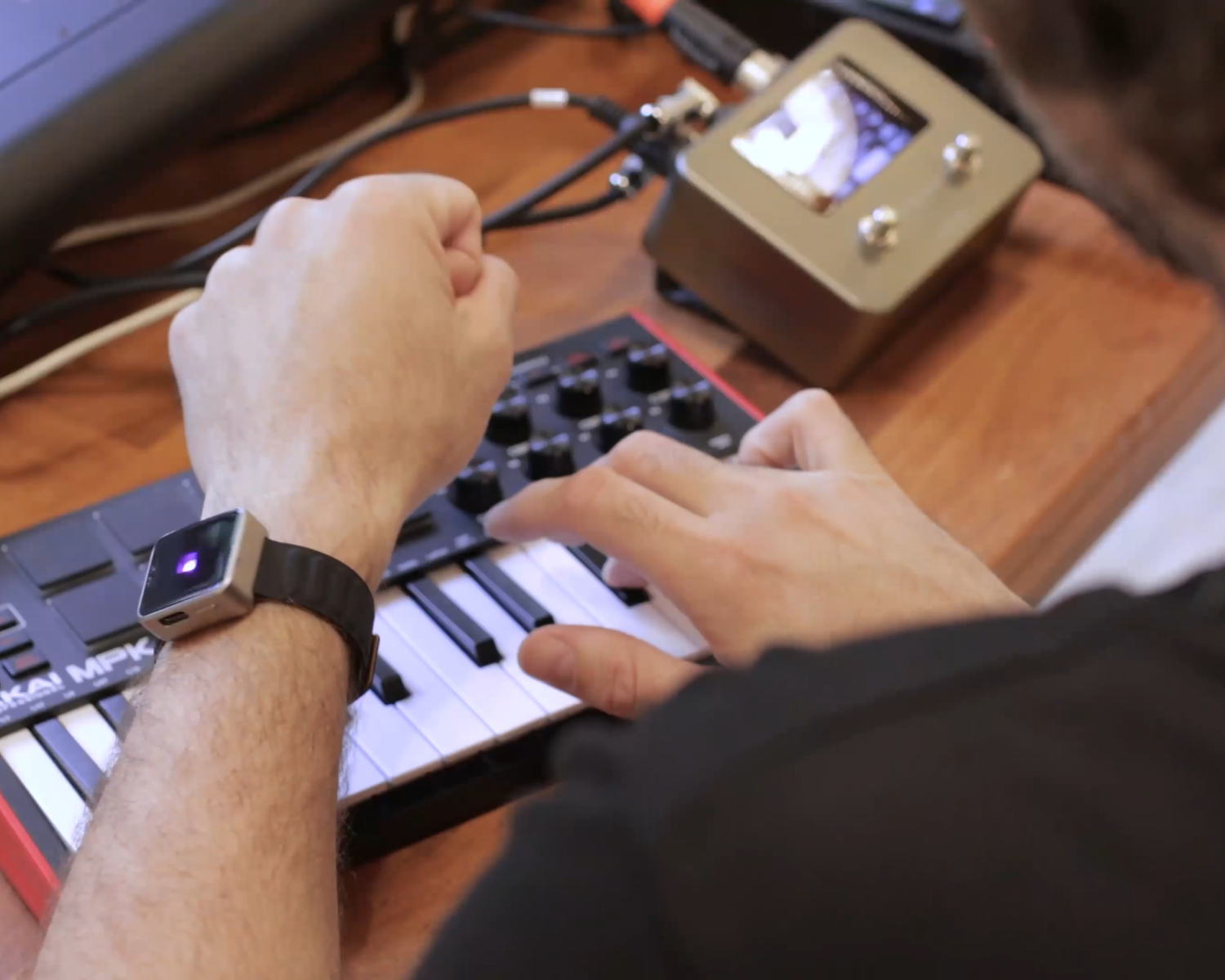
When a musician picks up a new piece of music technology for the first time, they immediately feel the results of its engineering: the satisfying tactile click of a button, the solid weight of a chassis, or the effortless way a wearable sensor tracks their movement. What isn’t visible on the surface are the hundreds of micro-decisions, failed prototypes, and painstaking iterations required to make all of those elements operate seamlessly together.
When our team at Axioma Tech Solutions engineered Constellation—a full-stack motion-controlled audio processor featuring Ground Central and wearable Satellites—we established an absolute rule: every single detail counts. Getting there was a relentless grind, but in professional audio hardware and embedded systems, cutting corners is never an option.
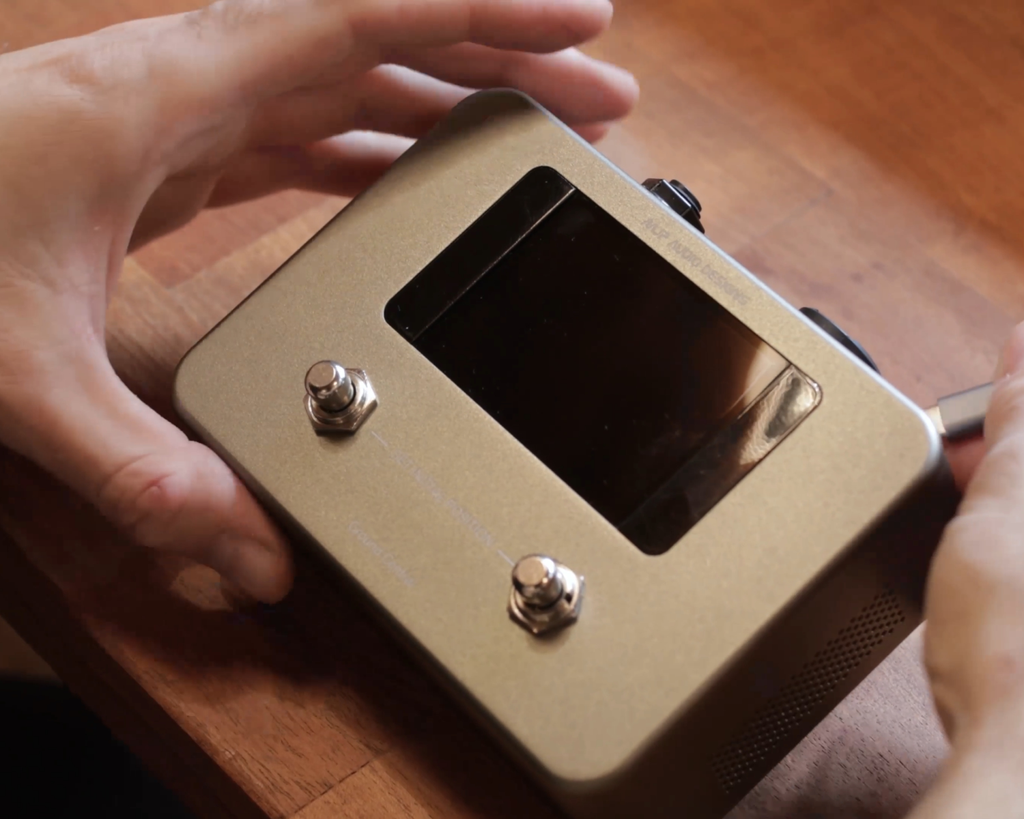
Ground Central: Precision-Engineered CNC Aluminum Chassis
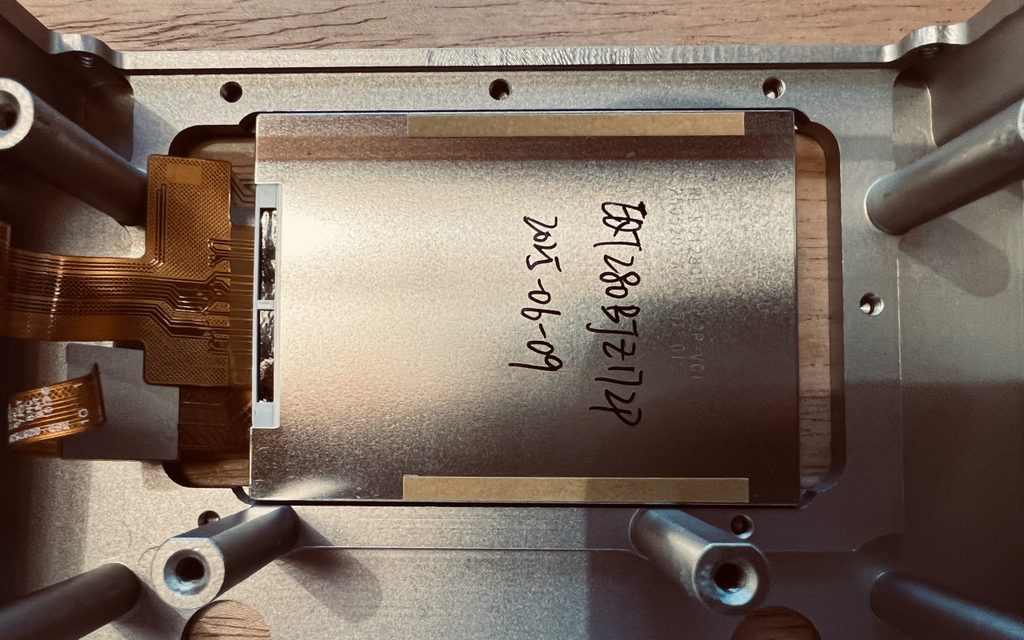
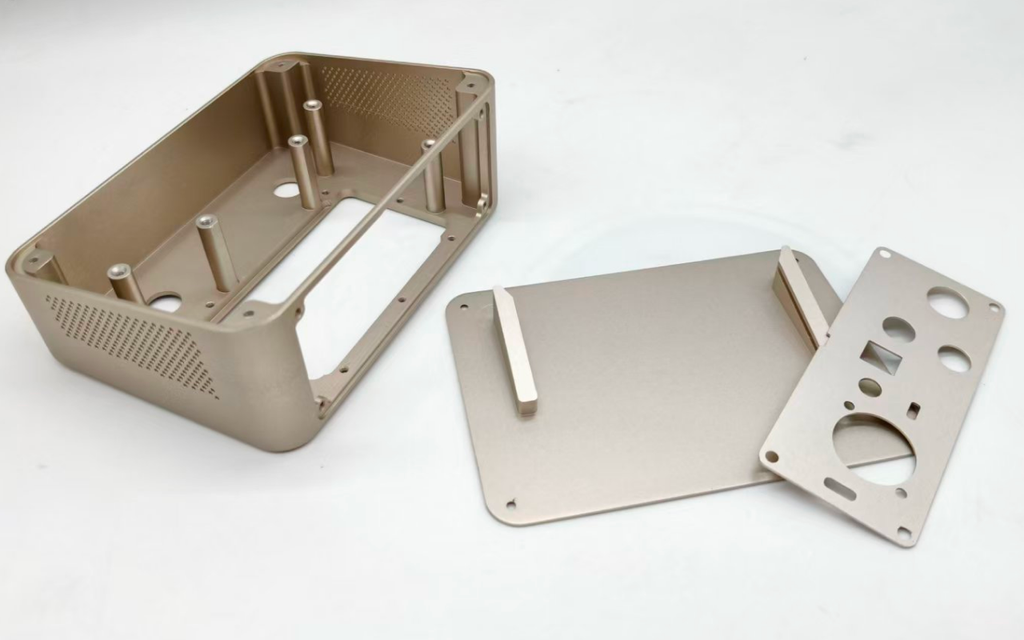
Ground Central needed to be built like a tank to handle the harsh environments of live touring and stage performances. Rather than relying on standard off-the-shelf enclosures, we designed a bespoke chassis crafted from CNC-machined aluminum featuring a premium anodized finish.
Anodizing aluminum sounds straightforward in theory, but in practice, it presents complex engineering hurdles—ranging from managing color-batch variations to accounting for thermal expansion and maintaining tight laser-engraving tolerances. Balancing structural rigidity with internal PCB clearances meant working strictly within fractions of a millimeter.
Furthermore, to guarantee the floor unit stayed rock-solid under heavy foot action during live performances, we custom-molded anti-slip bumpers for the base. Finding the precise shore hardness for those bumpers so they gripped slippery stage floors without tearing took extensive trial and error.
The Satellites: Prioritizing RF Performance & Wearable Ergonomics
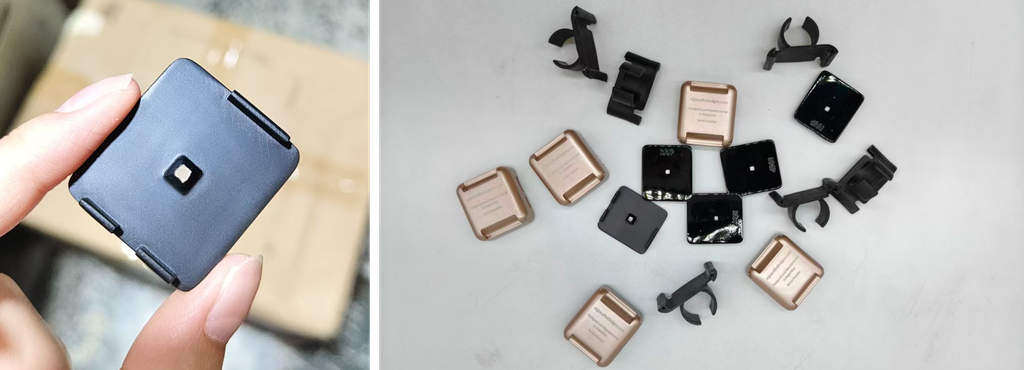
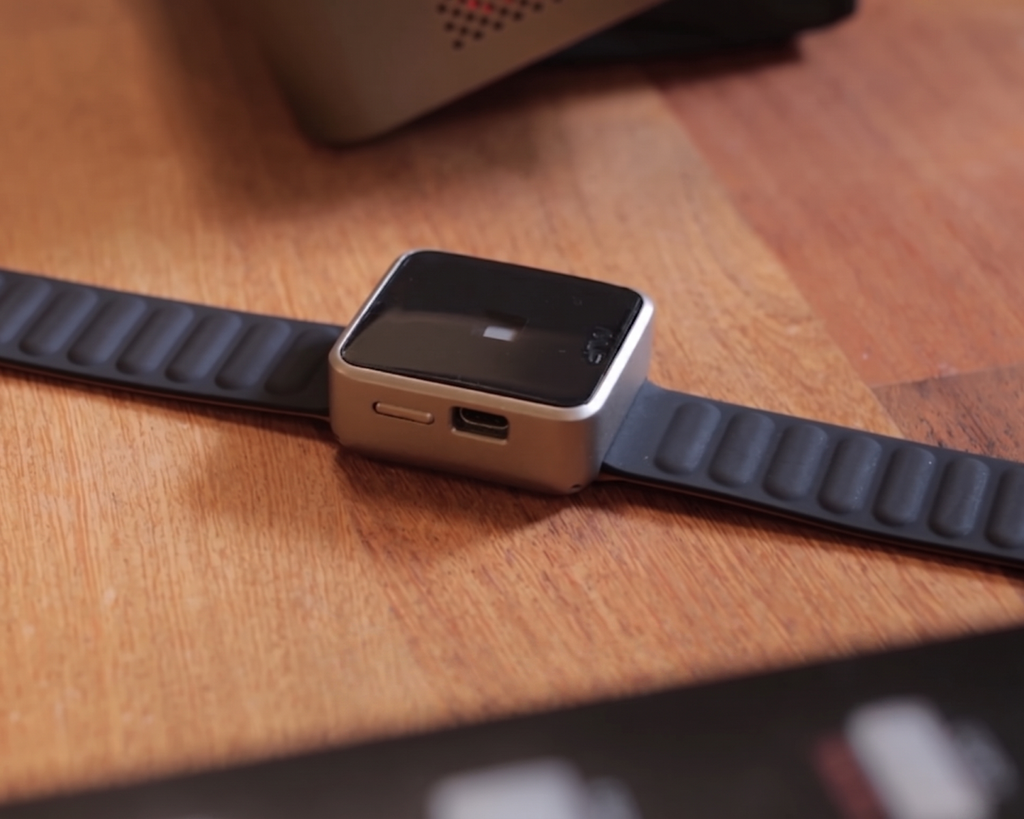
Designing the wearable Satellite controllers presented a completely different engineering challenge. Right from the start, we prioritized a high-impact plastic enclosure specifically to avoid the Faraday cage effect that metal housing creates while also keeping the wearable mass low enough for performers to move naturally.
To give the Satellites their distinct, sleek aesthetic, we went through multiple tooling iterations to achieve flawless, crystal-clear glossy finish lids over the internal display and LED ring. Finally, for live performance comfort and stability, we paired the lightweight Satellite housing with a flexible, durable silicone wristband designed to stay secure on a musician’s wrist without shifting during movement.
Beyond Hardware: The Continuous Evolution of Embedded Software & UI/UX Design
Physical hardware, however, is only half the battle. Building Constellation taught us invaluable lessons, and we are constantly learning and evolving across our full capabilities in embedded software, firmware architecture, and UI/UX design.
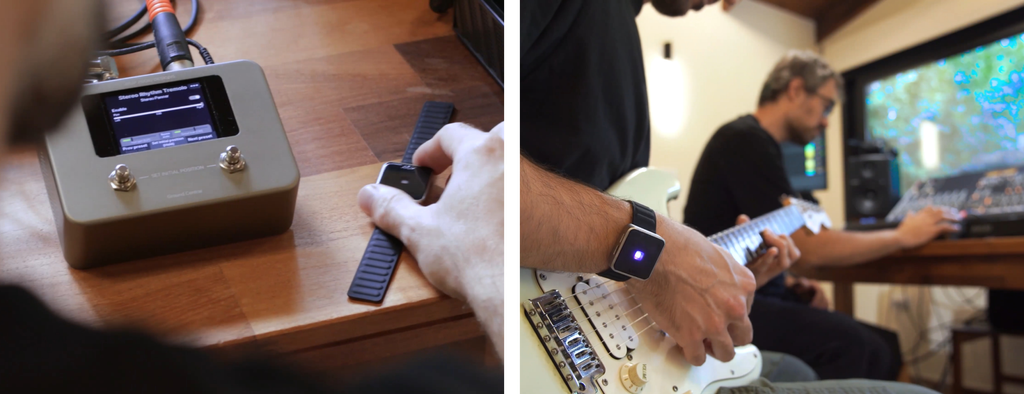
Designing user interfaces for live musicians requires a completely different mindset than creating desktop or mobile applications. When a performer is under dim stage lights or in front of an audience, the interface must be instantly readable, latency-free, and hyper-intuitive. We spent countless hours refining embedded UI flows, color contrasts, and parameter mappings so that complex audio DSP capabilities feel natural rather than distracting. Elevating and supporting the musician’s performance is always our ultimate metric.
Why the Final 20% Takes the Most Discipline in Product Design
It is relatively straightforward to complete 80% of a hardware product. The true test of engineering discipline lies in the final 20%—the micro-details, the firmware polish, and the willingness to rethink a design choice when physics or user feedback demands it. A glossy plastic lid with a microscopic molding flaw, a base bumper that slips, or a confusing interface menu can diminish an otherwise brilliant product.
Having navigated supply chain hurdles, early engineering challenges, and complex UI constraints throughout our history, we have become uncompromising. We hold component vendors to rigid standards, push for tighter mechanical and electrical tolerances, and continuously refine our software until the entire experience feels effortless.
Building hardware and software is an ongoing learning process—and when a performer steps onto the stage and every component responds flawlessly in unison, every hour invested in those details proves its worth.
Watch Constellation in Action
Want to see how these engineering choices come together on stage? Head over to our YouTube channel to watch the full system breakdown and live performance demos:
📺 Watch Constellation on YouTube
To learn more about how our engineering team takes complex hardware, firmware, and software concepts from initial napkin sketch to mass production, explore our services:
🔗 Learn More About Axioma ODM & Engineering Consulting Services